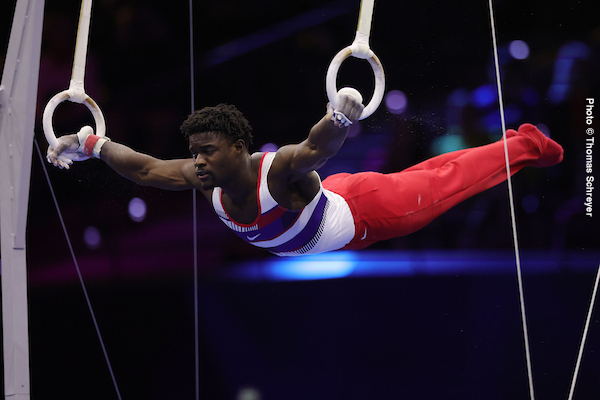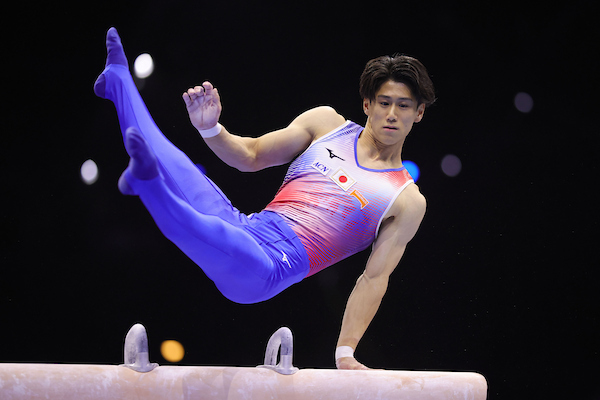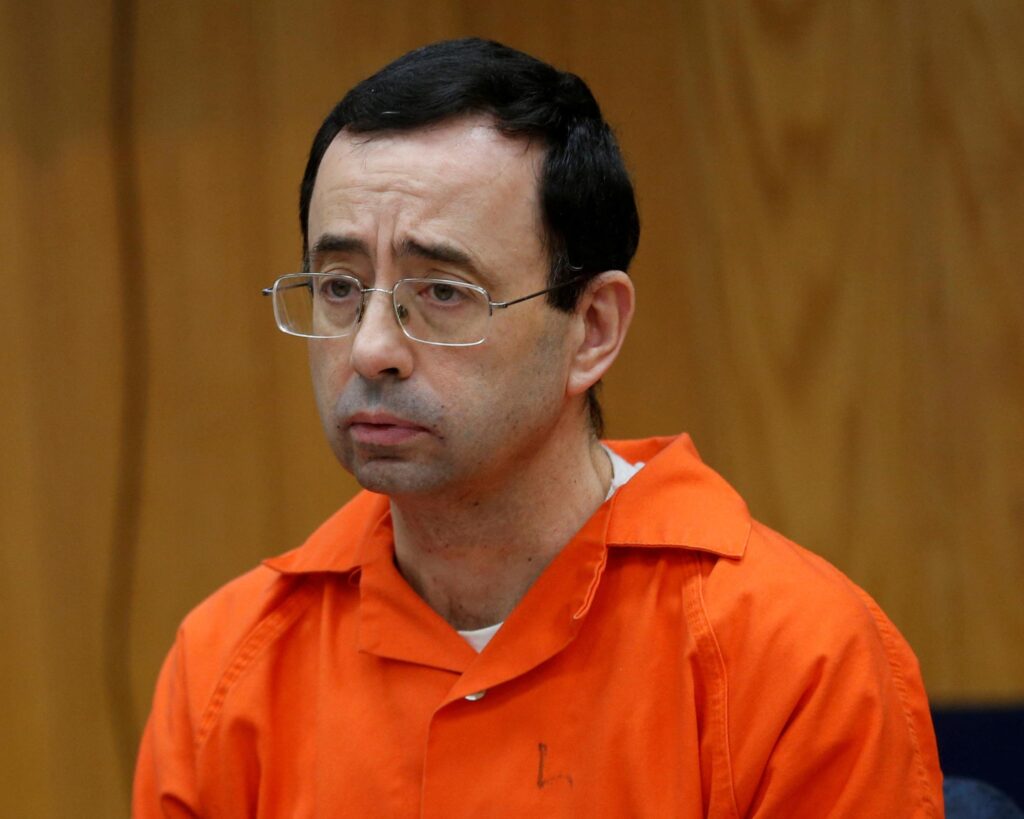
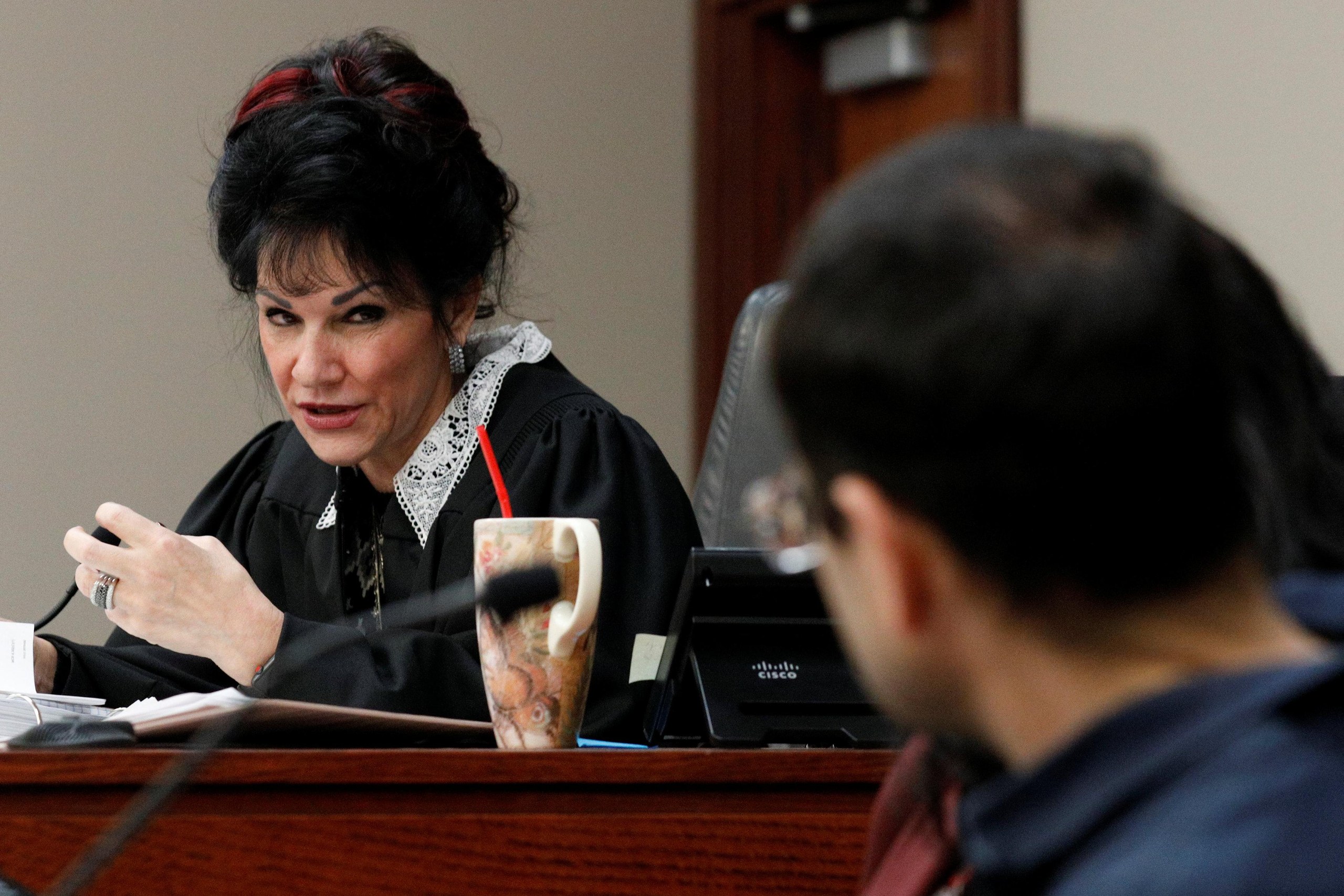
Judge Rosemarie Aquilina, who sentenced Larry Nassar, the former USA Gymnastics team doctor, to nearly 175 years in prison for the abuse of over 250 women and girls, has expressed her dismay at the lack of substantial progress made since Nassar’s actions came to light a decade ago.
Speaking during the World Gymnastics Championships, Aquilina emphasized that human rights should take precedence over the pursuit of athletic accolades.
“Nassar was 10 years ago and there have been very few changes that are meaningful,” Aquilina remarked, highlighting her insistence on hearing all 169 impact statements during Nassar’s guilty plea.
“I’m not looking for little changes that a lot of people get credit for, I want meaningful change, a lot of meaningful changes, and we’re just not there yet, not in sports, not in life, not in the courtroom, not in the classroom or in the legislature. “I have to ask why? It’s the same answer: it’s money, medals and notoriety over the safety of children and safety is a human right.” she stated.
“We’re still in a place where survivors aren’t being listened to and where the scale of the reform hasn’t met the scale of the revelations.”
Aquilina was joined in Rotterdam by activists, survivors, and representatives from Gymnasts for Change International (G4CI), who gathered to discuss the insufficient level of change and the steps that can be taken moving forward.
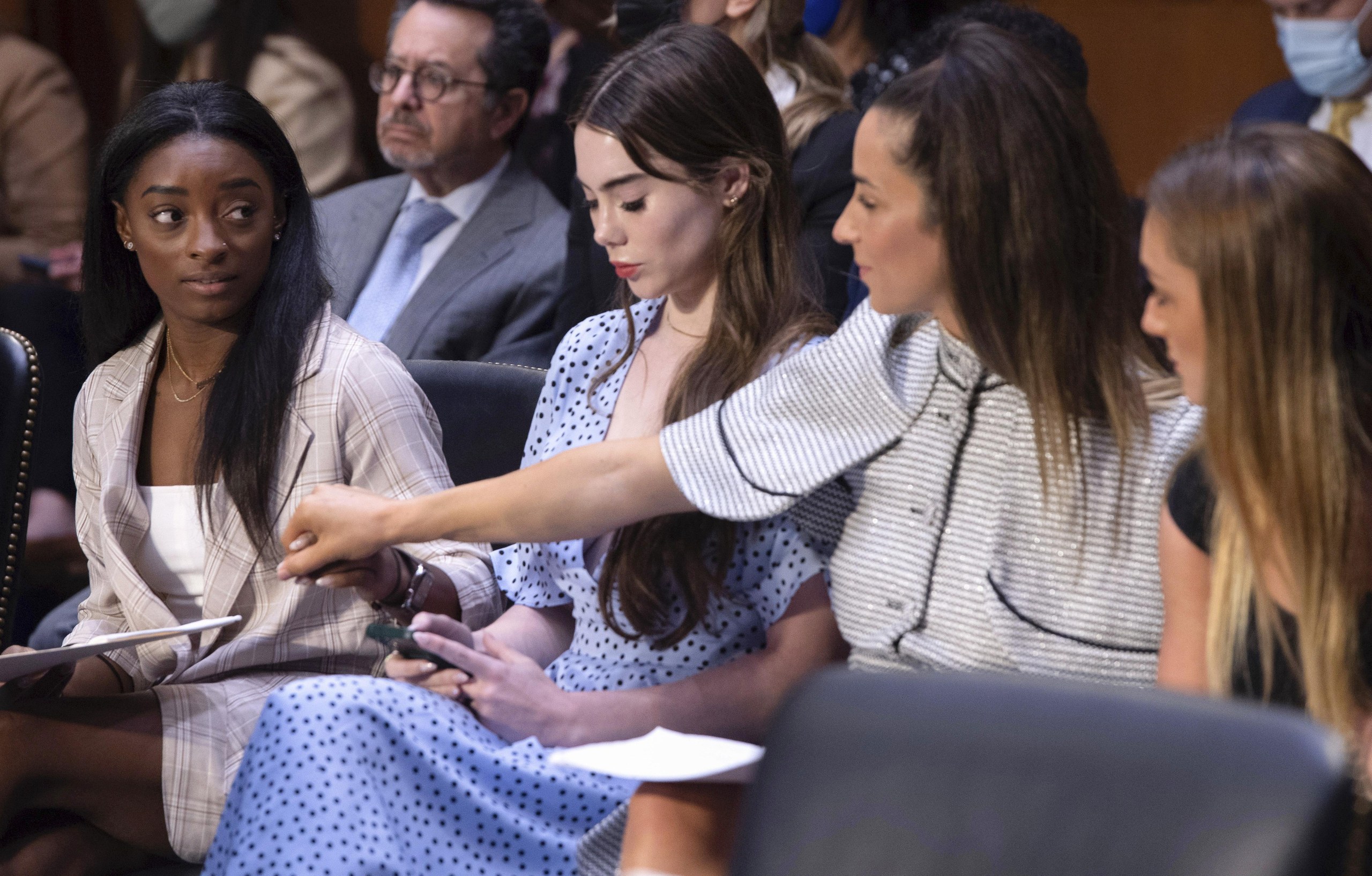
Claire Heafford, a survivor of abuse within the sport and the chief executive of G4CI, commented, “institutional fear, blinkeredness, and the fact that people who work in sport are not very creative”
She attributes the reluctance to embrace systemic change following the Nassar scandal to “It’s incredibly difficult for anybody in the system who wants to create change to do so if there’s resistance above them. It’s incredibly difficult for people in the system to feel empowered as change makers when you’re in such fixed hierarchies.”
Heafford further explained, “On the one hand, you can measure progress in athlete voice and advocacy, in some whistleblower protections, in safeguarding rules across sport – though the rules are there, but the implementation is not,”
This gathering coincided with a pivotal moment for World Gymnastics, as it prepares to appoint a new secretary general following Nicolas Buompane’s departure at the year’s end.
Minky Worden from Human Rights Watch remarked that the reckoning in sports post-Nassar has not taken the right form.
“Then, on the other hand, you can measure it in the impact gymnastics had in all other sports. I’ve interviewed hundreds of survivors in about 50 sports, winter and summer. Ten years on, just the scale and the severity and the duration of the abuses by the so-called Olympic doctor Larry Nassar caused a reckoning across sport. But the reckoning often took the wrong shape, it took the shape of defence. “Except, this is not a small problem, it is a severe problem and any fair assessment would have to say that sport, broadly speaking, including gymnastics, retains the exceptionalism the Catholic church and schools once had. “There was a time when it was really hard to get rid of the abusive priest or teacher because they were moved around to different jurisdictions and continued abusing. That is why the scale and the duration of those abuse catastrophes was so great. Sports still has the same problem.” she noted.
“There’s still a lot to be done. For example, British Gymnastics have come out with a number of policies, they’ve got their hydration policies, they’ve got their weight management policies. That’s brilliant, but let’s implement them. It’s the implementation that matters because if you don’t implement them and if you’re not monitoring them then what’s the point?”
Worden continued, “There’s a crisis of abuse across sport in Canada and yet we’ve seen really no reform and I would say that same lack of action, that same apathy is happening at World Gymnastics,”
She added, “Sure, they’ve taken some steps, but they could post new rules anywhere that say: ‘No more weighing of gymnasts. No more gymnasts returning to competition without a doctor’s note. No more coaches moving from one country to another country, if you’re banned in the US, you can’t just take a gymnast from Mexico to the Olympics.’ “They could have a whole list of rules and regulations, even if they don’t have any sort of legislative jurisdiction in an area, that’s still going to influence the culture because as soon as the leading body says we’re not weighing gymnasts any more, then when the weighing gets done those coaches know they’re breaking the rules. “If World Gymnastics would come out with a whole list of cultural reforms and started to normalise those within the national federations and then give them backing so that the national federations can go to the clubs all the way down to grassroots, I think we would see faster reform and less resistance.”
Eloise Jotischky, a former elite acrobatic gymnast who became the first individual to win a civil case against British Gymnastics for abuse she suffered from 2016 to 2018, including inappropriate weight management and verbal abuse, acknowledged that while some changes have occurred, the real challenge lies in implementation.
“There’s still a lot to be done. For example, British Gymnastics have come out with a number of policies, they’ve got their hydration policies, they’ve got their weight management policies. That’s brilliant, but let’s implement them. It’s the implementation that matters because if you don’t implement them and if you’re not monitoring them then what’s the point?”
Kim Shore, a survivor of abuse and an independent safe sport advocate with Gymnasts for Change Canada, urged World Gymnastics to adopt and enforce significant cultural reforms to foster improvement. “There’s a crisis of abuse across sport in Canada and yet we’ve seen really no reform and I would say that same lack of action, that same apathy is happening at World Gymnastics,” she asserted.
“Sure, they’ve taken some steps, but they could post new rules anywhere that say.
‘No more weighing of gymnasts. No more gymnasts returning to competition without a doctor’
s note. No more coaches moving from one country to another country, if you’re banned in the US, you can’t just take a gymnast from Mexico to the Olympics.’
“They could have a whole list of rules and regulations, even if they don’t have any sort of legislative jurisdiction in an area, that’s still going to influence the culture because as soon as the leading body says we’re not weighing gymnasts any more, then when the weighing gets done those coaches know they’re breaking the rules.”
“If World Gymnastics would come out with a whole list of cultural reforms and started to normalize those within the national federations and then give them backing so that the national federations can go to the clubs all the way down to grassroots, I think we would see faster reform and less resistance.”
World Gymnastics, USA Gymnastics, Gymnastics Canada, and British Gymnastics have been approached for comments regarding these issues.